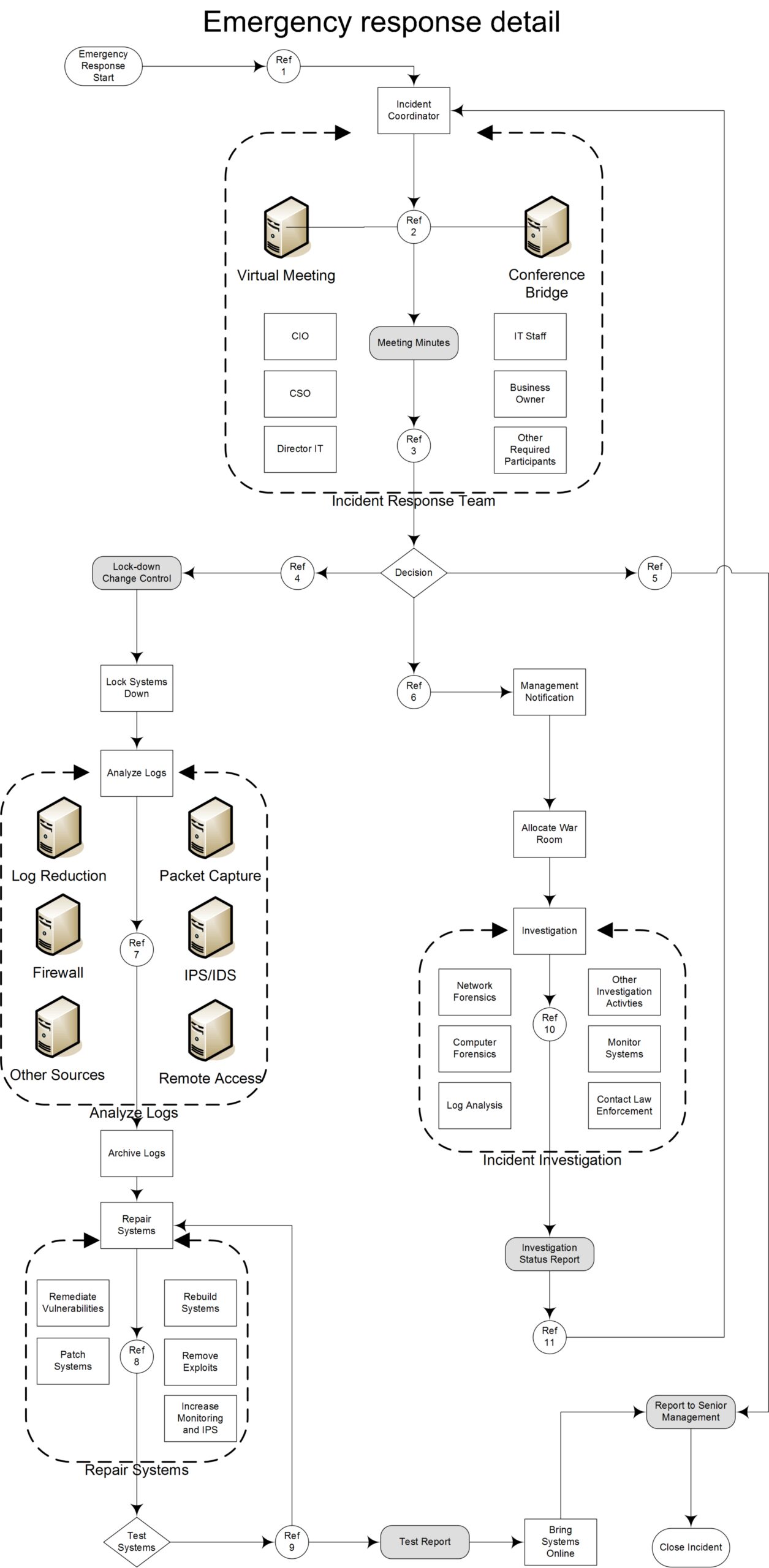
A company discovers a leaked API key during a routine security review, rotates it within the hour, and treats the incident as genuinely closed - until a follow-up investigation reveals that key had been embedded in a genuinely large number of downstream integrations and cached configurations, several of which quietly broke the moment rotation happened, because nobody had actually mapped out everywhere that specific key was genuinely being used before rotating it.
Why Rotating a Key Quickly Isn’t Actually the Same as Rotating It Safely
Fast rotation genuinely closes the security exposure window as quickly as possible, and speed alone doesn’t actually address the genuinely separate operational question of what else depends on that specific key continuing to work. Teams that treat rotation purely as a security race against real time, without also accounting for real downstream dependencies, routinely trade one real problem - a leaked credential - for another real problem, a cascade of broken integrations that were never actually catalogued anywhere before rotation happened.
Why Credential Usage Mapping Is Genuinely Rare Even at Otherwise Careful Organizations
Most organizations don’t actually maintain a genuinely current inventory of exactly which systems, scripts, and third-party integrations use each specific credential, because that inventory naturally decays over time as new integrations get added by different teams without any centralized real process for actually tracking credential usage as it genuinely grows. Without this real usage map, rotating any given key means genuinely guessing at the actual downstream blast radius rather than actually knowing it with any real confidence beforehand.
Why Emergency Rotation Under Real Time Pressure Makes This Genuinely Worse
During an actual active security incident, the real pressure to rotate a compromised credential immediately leaves genuinely little time to carefully map out every downstream dependency first, which means emergency rotations are considerably more likely to actually break something unexpected than a genuinely planned, deliberate rotation would be. This creates a real uncomfortable tension: rotating too slowly leaves a genuine security exposure open longer, while rotating too fast risks a real cascading operational failure that a few extra minutes of careful checking might have actually caught and prevented.
Why Maintaining a Living Credential Inventory Resolves This Tension Before It Ever Actually Matters
Organizations that maintain an actively updated inventory of which systems genuinely use each credential, updated as new integrations are added rather than reconstructed only during an actual crisis, can rotate keys quickly and safely at the exact same time, because the real downstream blast radius is already genuinely known in advance rather than something that has to be urgently discovered under real active incident pressure. Building and maintaining this inventory requires real ongoing discipline that’s easy to let slip during normal, calm operations, and it’s precisely what turns an emergency credential rotation from a genuinely risky guessing exercise into a fast, confident, well-understood real operational step.