“Should we get a penetration test or a red team engagement” is a question worth answering deliberately, because the two assessments measure genuinely different things, and buying the wrong one for an organization’s actual security maturity produces a report that either states the obvious or misses the point entirely. What a Penetration Test Actually Measures … Read more
Organizations investing heavily in digital security testing sometimes overlook physical penetration testing entirely. That is a mistake: physical security gaps can hand attackers a considerably easier path to sensitive systems and data than any sophisticated digital attack would require. Why Physical Security Gaps Bypass Digital Security Investment Entirely An attacker who gains unauthorized physical access … Read more
Tabletop exercises are structured, discussion-based simulations that walk a team through a hypothetical security incident. They deliver real incident response practice at a fraction of the cost and disruption of a full technical simulation, yet most organizations still underuse them relative to their actual value. What a Tabletop Exercise Involves A tabletop exercise gathers the … Read more
Purple teaming brings offensive red team and defensive blue team security professionals together into direct, real-time collaboration, instead of leaving them to operate in isolation from each other. It has emerged as a valuable evolution beyond traditional red team engagements, which operate largely separately from the defensive teams they are testing. Why Traditional Red Team … Read more
Threat modeling, the systematic practice of identifying potential security threats to a system before building or deploying it, often feels intimidating to smaller teams without dedicated security expertise, yet a practical, simplified threat modeling approach remains valuable and achievable even for teams without extensive formal security training. Why Small Teams Skip Threat Modeling Despite Its … Read more
Attack surface management, the ongoing discipline of identifying and monitoring every actual externally exposed system and service an organization operates, has become essential as organizations discover that their real attack surface is often considerably larger, and considerably less well understood, than security teams originally assumed. Why Organizations Underestimate Their Own Attack Surface Organizations accumulate externally … Read more
Organizations new to offensive security testing frequently use “red team” and “penetration test” interchangeably, when these represent distinct engagement types with real different objectives, scope, and methodology that organizations should understand clearly before commissioning either type of engagement. The Core Objective Difference Penetration testing aims to identify as many actual exploitable vulnerabilities as possible within … Read more
Businesses considering a penetration test for the first time often have a vague sense of what the engagement will involve day to day, which can make it harder to prepare internally or set realistic expectations for what a completed engagement will deliver. Understanding the real phases of a typical penetration test helps demystify the process. … Read more
Credential leaks from third-party data breaches have become so common that understanding exactly how attackers exploit this leaked information matters considerably for building appropriately proportionate defenses. Treating credential leaks as an abstract concern, without understanding the specific, practical exploitation techniques involved, leaves those defenses incomplete. Credential Stuffing: The Most Common Exploitation Path Credential stuffing attacks … Read more
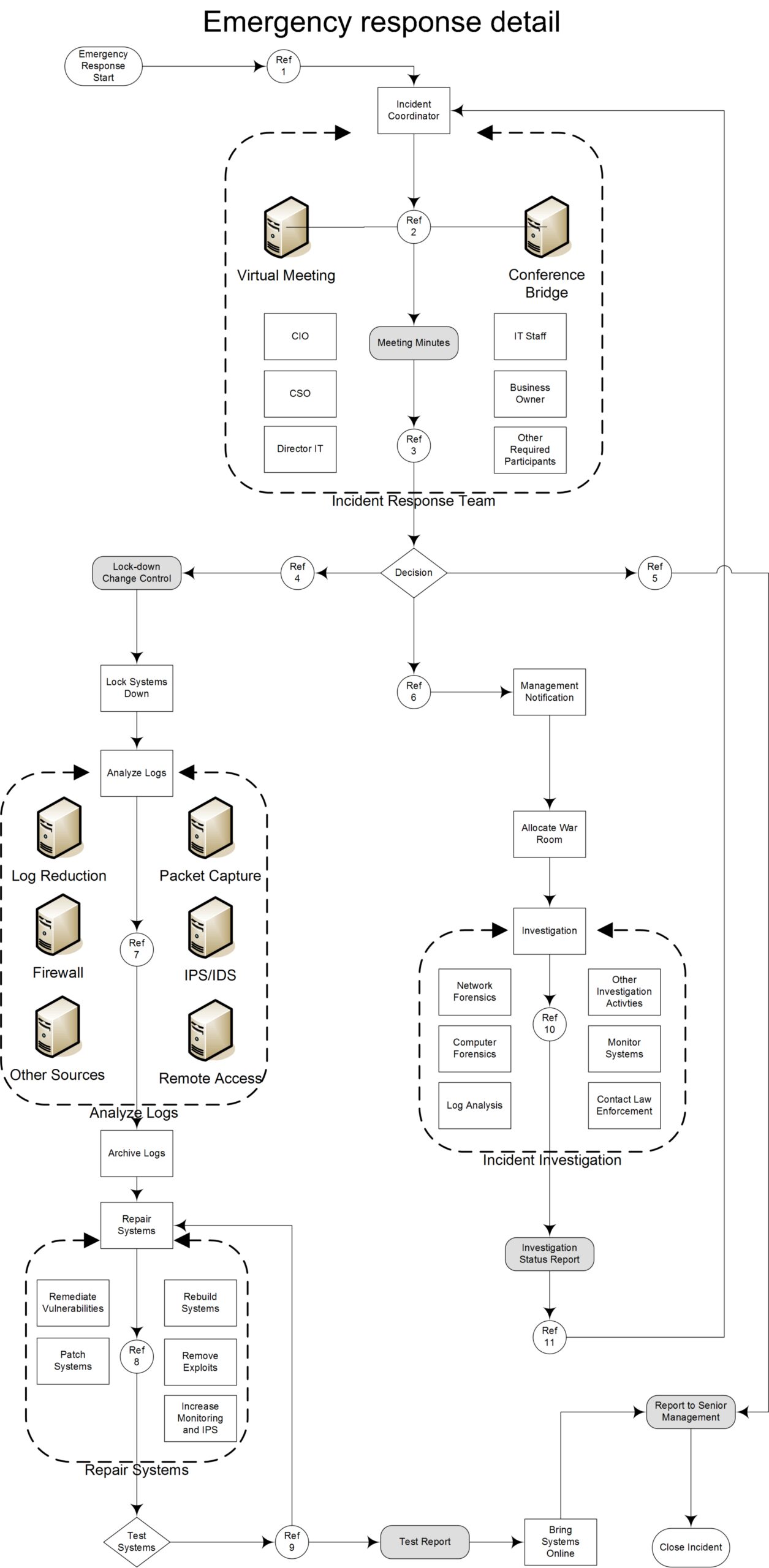
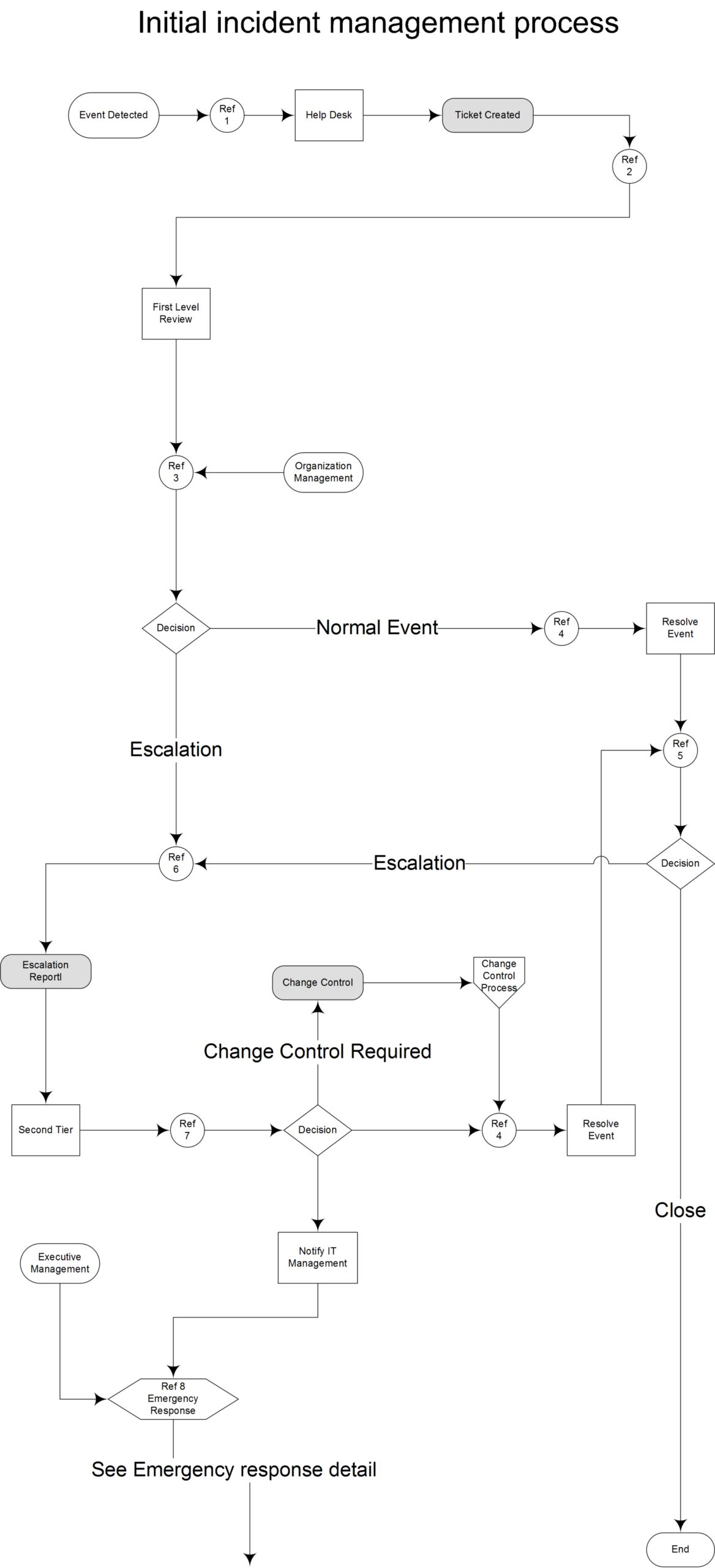
Most organizations have an incident response plan document sitting somewhere in a shared drive, and a surprising number of these plans have never been tested through a real, realistic exercise. A plan that exists purely on paper, untested, frequently fails in important ways precisely when it matters most – during a real, live security incident. … Read more