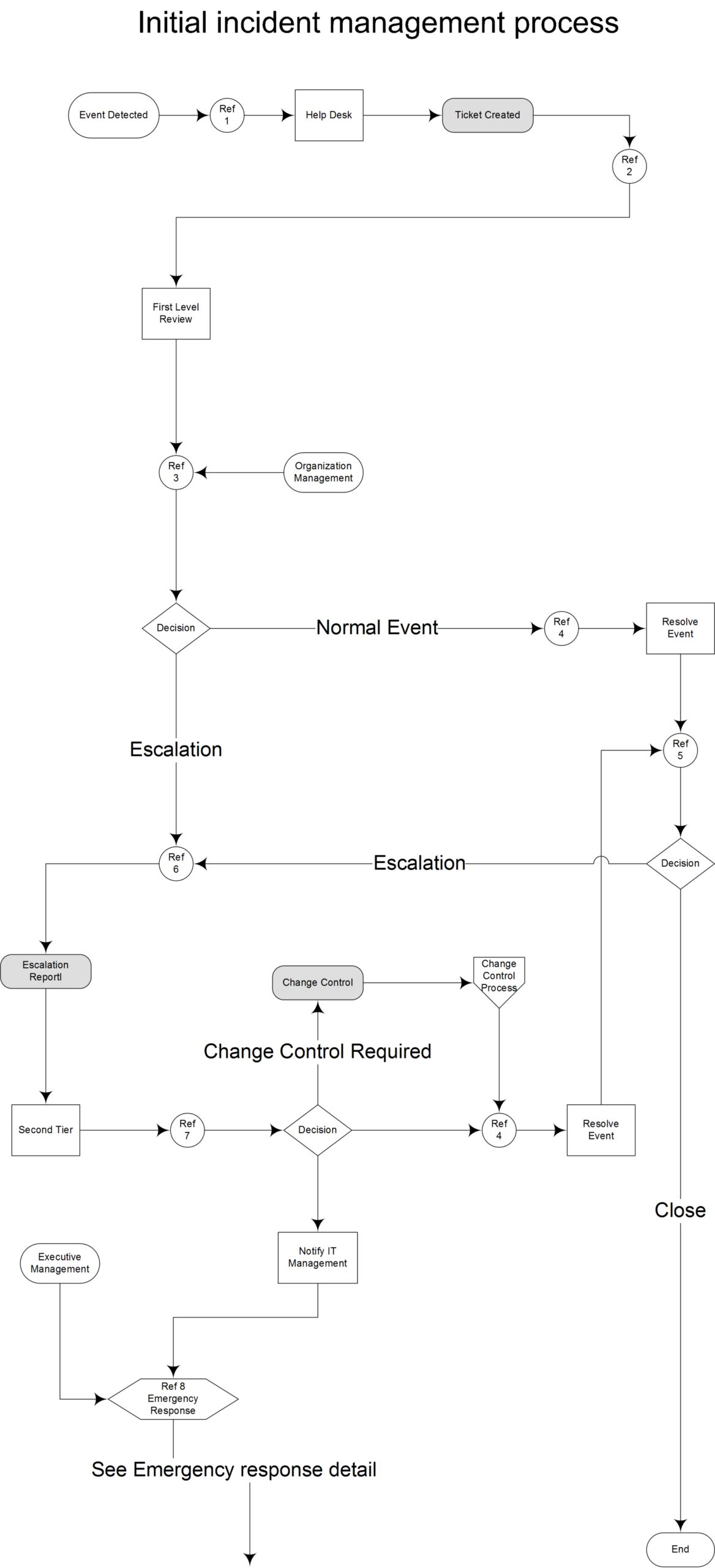
Most organizations have an incident response plan document sitting somewhere in a shared drive, and a surprising number of these plans have never been tested through a real, realistic exercise. A plan that exists purely on paper, untested, frequently fails in important ways precisely when it matters most – during a real, live security incident.
Why Documentation Alone Is Not Enough
A written incident response plan documents intended process, but testing reveals whether that intended process practically works in real practice. Written plans frequently contain unrealistic assumptions – contact information that has quietly gone stale, roles assigned to people who have since left the organization, or process steps that sound reasonable on paper but prove impractical once attempted under real, realistic incident conditions.
These gaps remain invisible until an actual incident, or a realistic testing exercise, exposes them. Organizations discovering these gaps for the very first time during a genuine, real live incident face considerably worse real outcomes than organizations that discovered and fixed the exact same gaps during a controlled, deliberate testing exercise conducted well beforehand.
Tabletop Exercises as a Practical Starting Point
Tabletop exercises – walking through a realistic incident scenario as a structured discussion, without executing real technical response actions – provide a practical, comparatively low-cost starting point for testing incident response plans. These exercises reveal gaps in process and communication without the real cost and operational disruption of a full, live technical simulation.
Effective tabletop exercises use realistic, specific scenarios rather than generic, vague ones, and push participants to work through actual, real decision points rather than simply reading through the plan document aloud together. The value comes from testing decision-making under a realistic scenario, not merely confirming that a written plan document technically, formally exists somewhere.
Moving to Live Technical Simulations
Beyond tabletop exercises, more advanced testing involves live technical simulations – executing technical response actions against a realistic simulated incident, rather than merely discussing the intended response in the abstract. These exercises reveal practical gaps that tabletop discussion alone cannot fully, adequately surface – whether specific tools work as expected under real load, whether access and permissions needed for response are properly, correctly configured in advance.
Live simulations require more careful planning to avoid real, unintended operational disruption, but they provide considerably more realistic, practically useful validation than tabletop exercises alone can fully provide on their own.
Testing Communication and Decision-Making Under Real Pressure
A critical, often-overlooked element of incident response testing is evaluating communication and decision-making specifically under realistic time pressure. Real incidents involve considerable uncertainty and real time pressure, and testing should simulate this pressure rather than allowing participants unlimited real time to carefully consider every single decision at leisure.
This pressure testing reveals whether your organization’s actual decision-making structure functions well under real, realistic stress – whether the right people have clear, pre-established authority to make necessary decisions quickly, and whether communication channels function as intended when multiple things are happening simultaneously and require urgent, immediate attention all at once.
Incorporating Lessons Back Into the Plan
Testing only delivers real value if the specific lessons learned get incorporated back into an updated, revised plan. Organizations should treat each testing exercise as an explicit opportunity for real plan improvement, updating stale information, refining unrealistic process steps, and addressing any real communication gaps the specific exercise revealed.
This iterative cycle – test, learn, update, test again – is what produces an incident response plan that will work well when a real incident eventually, inevitably occurs, rather than a plan that merely, superficially looks comprehensive and reassuring on paper but has never been meaningfully validated against real, realistic conditions.
Red Team Exercises Go a Step Further Than Simulation
Where a live technical simulation typically runs against a scenario the response team knows is coming, a red team exercise deliberately withholds that knowledge from the defenders, testing not just the written plan but whether the team actually detects and responds to unannounced, realistic attacker activity in something close to real conditions. This is a meaningfully higher-cost, higher-value exercise than a scheduled tabletop, and it is worth reserving for organizations whose incident response program has already matured past the basics – running an unannounced red team exercise against a team that has never even completed a tabletop is more likely to produce confusion than useful learning.
The Plan That Assumes Everyone Reads Their Email
A specific, common gap worth testing directly: incident response plans frequently assume the primary communication channel – email, a specific chat tool, a phone tree – will be available and monitored during the incident. This assumption breaks down precisely in the scenarios where it matters most, such as a ransomware incident that has taken down the very email system the plan assumes will be used to coordinate response. Effective plans define an out-of-band communication channel explicitly, tested in advance, for exactly the scenario where the primary systems are the ones actually affected by the incident being responded to.
It is worth testing this specific failure mode deliberately during a tabletop – simply announce partway through the exercise that email and the usual chat tool are both unavailable, and watch how quickly the room defaults back to assuming they will just work anyway.
Keeping the Plan From Going Stale Between Tests
A plan that was accurate the day it was tested can drift out of date within months simply through normal organizational change – a key contact leaves, a system referenced in the plan gets decommissioned, a vendor listed for forensic support is no longer under contract. Assigning a specific owner to review and refresh contact details and system references on a quarterly cadence, independent of the larger annual testing exercise, catches this drift before it turns into a dead phone number discovered mid-incident.