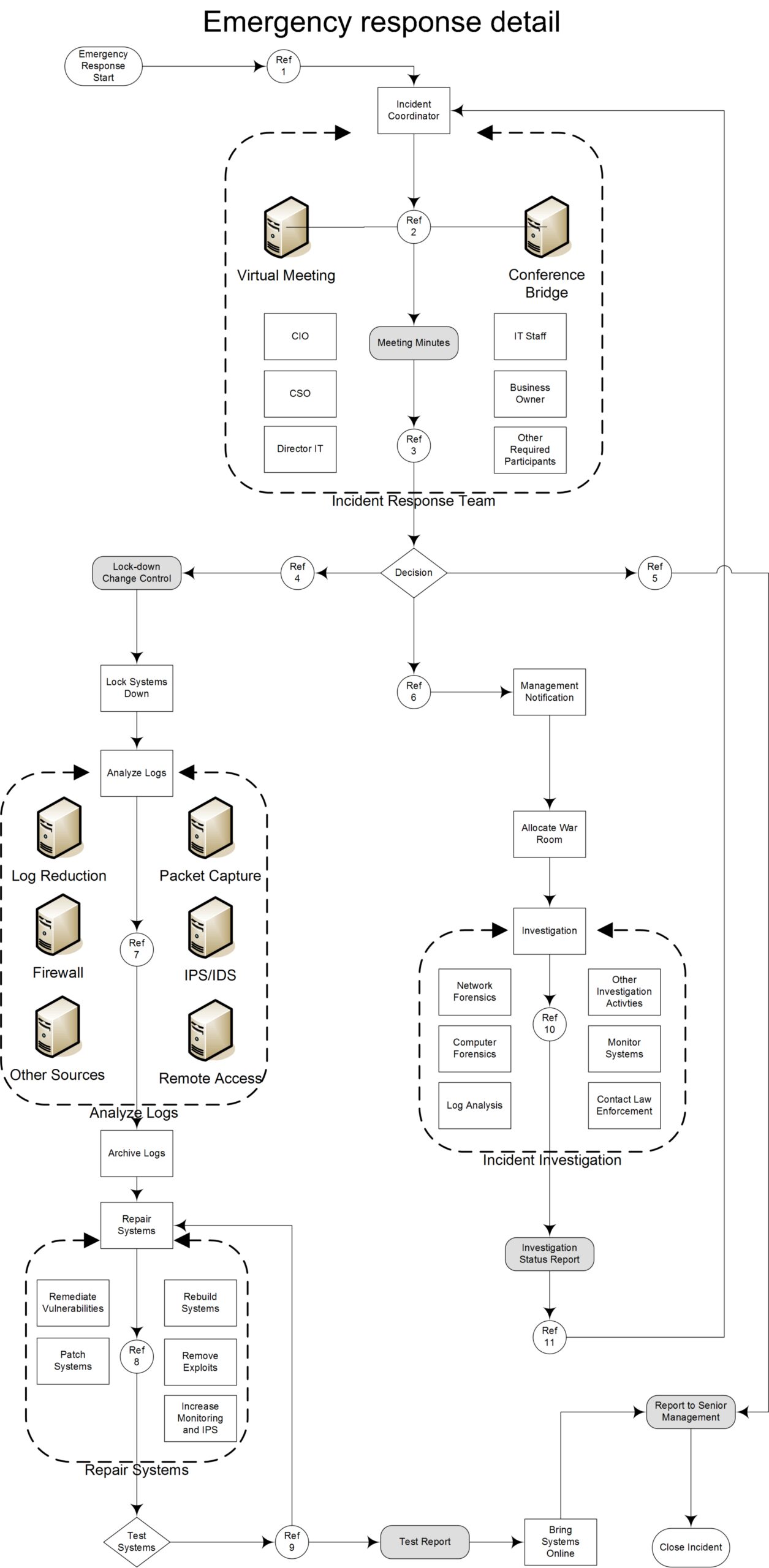
Credential leaks from third-party data breaches have become so common that understanding exactly how attackers exploit this leaked information matters considerably for building appropriately proportionate defenses. Treating credential leaks as an abstract concern, without understanding the specific, practical exploitation techniques involved, leaves those defenses incomplete.
Credential Stuffing: The Most Common Exploitation Path
Credential stuffing attacks take leaked username and password combinations from one breach and systematically attempt them against other, entirely unrelated services, exploiting the common, understandable human tendency to reuse the same password across multiple different accounts. This attack works at enormous automated scale, testing millions of leaked credential combinations against target services rapidly and with essentially minimal real cost to the attacker.
This attack pattern explains why password reuse represents such significant real risk – a breach at an entirely unrelated, seemingly low-stakes service can compromise your account at a considerably higher-stakes service if you happen to have reused the exact same password across both, entirely unrelated accounts.
Why Leaked Credentials Remain Valuable for Years
A common, mistaken assumption is that leaked credentials quickly lose real value once a breach becomes publicly known and widely reported. In practice, leaked credentials remain valuable for attackers for years afterward. A meaningful percentage of affected users never change the exposed password, either because they never learned about the specific breach or because they did not take it seriously enough to act on that information.
This persistence is why security awareness around credential leaks needs to extend well beyond the immediate breach disclosure period – leaked credentials continue posing real risk considerably longer than most people intuitively assume, making ongoing monitoring and response, not just immediate post-breach action, important.
Combining Leaked Credentials With Other Attack Techniques
Sophisticated attackers often combine leaked credentials with additional reconnaissance, using breach data alongside publicly available information from social media and other sources to build more convincing social engineering attacks, or to identify which specific leaked credential combinations are most likely to still be valid and actively usable based on other, corroborating available signal.
This combination of leaked credential data with broader reconnaissance produces meaningfully more effective, targeted attacks than credential stuffing alone. Attackers can prioritize their limited effort toward targets where leaked credentials are most likely to still be valid and currently usable.
Dark Web Credential Markets and Their Function
Leaked credentials circulate through dark web marketplaces, where they get bought and sold, sometimes bundled with additional stolen personal information that increases their value for identity theft and more sophisticated, targeted attacks beyond simple credential stuffing alone. Understanding this market dynamic clarifies why leaked credentials remain a persistent threat well beyond their initial breach and disclosure – they continue circulating and being actively, repeatedly exploited by multiple different attackers over an extended real period.
Why Multi-Factor Authentication Blunts This Threat
Multi-factor authentication significantly reduces credential stuffing effectiveness. A leaked password alone becomes considerably less valuable to an attacker when a second authentication factor is also required for actual account access. This is exactly why security guidance so consistently, strongly emphasizes MFA adoption – it directly, effectively addresses one of the most common and consequential real attack patterns stemming from the persistent problem of credential leaks.
Building Organizational Defense Against Leaked Credential Risk
Organizations should monitor for their own employees’ credentials appearing in known breach databases, using this monitoring to proactively trigger password resets before an attacker has the opportunity to exploit those specific leaked credentials against organizational systems. Combined with mandatory MFA and ongoing employee education about password reuse risk, this proactive approach considerably reduces organizational exposure to what remains one of the more consistently effective and persistently common real-world attack techniques currently in active, widespread use.
Password Spraying: The Quieter Cousin of Credential Stuffing
Where credential stuffing tests many leaked username-password pairs against one target, password spraying works the opposite direction – trying one or two commonly used passwords against a large list of usernames for a single organization, spaced out deliberately to stay under the failed-login thresholds that would trigger an account lockout or an alert. This makes it considerably quieter than credential stuffing and harder to catch with simple rate-limiting alone. No single account sees enough failed attempts in a short window to look suspicious on its own. Detecting it requires looking at failed login patterns in aggregate across the whole user base, not per account, which is a meaningfully different monitoring approach than most organizations have configured by default.
What Breach Monitoring Services Actually Buy You
Services that check whether an employee’s email or credentials appear in a known breach dataset are a genuinely useful early-warning layer, but it is worth being clear-eyed about their limits. They can only flag breaches that have already been discovered, aggregated, and made searchable – which for a sophisticated, quietly-sold credential dump can be months or years after the actual exposure. Treat a clean result as “nothing known yet,” not “nothing happened,” and pair the monitoring with mandatory MFA so that a credential appearing in a future breach, discovered or not, is far less useful to whoever has it.
The Session Token Angle Credential Stuffing Alone Misses
Leaked credentials are not the only thing attackers harvest and reuse. Session tokens and authentication cookies stolen through malware on an employee device can grant access without ever touching a password at all. This sidesteps MFA entirely, because the session is already authenticated. This is why endpoint detection on employee devices and short session lifetimes for sensitive systems matter alongside credential hygiene – a stolen session token from an infected laptop defeats defenses built purely around password and MFA strength.