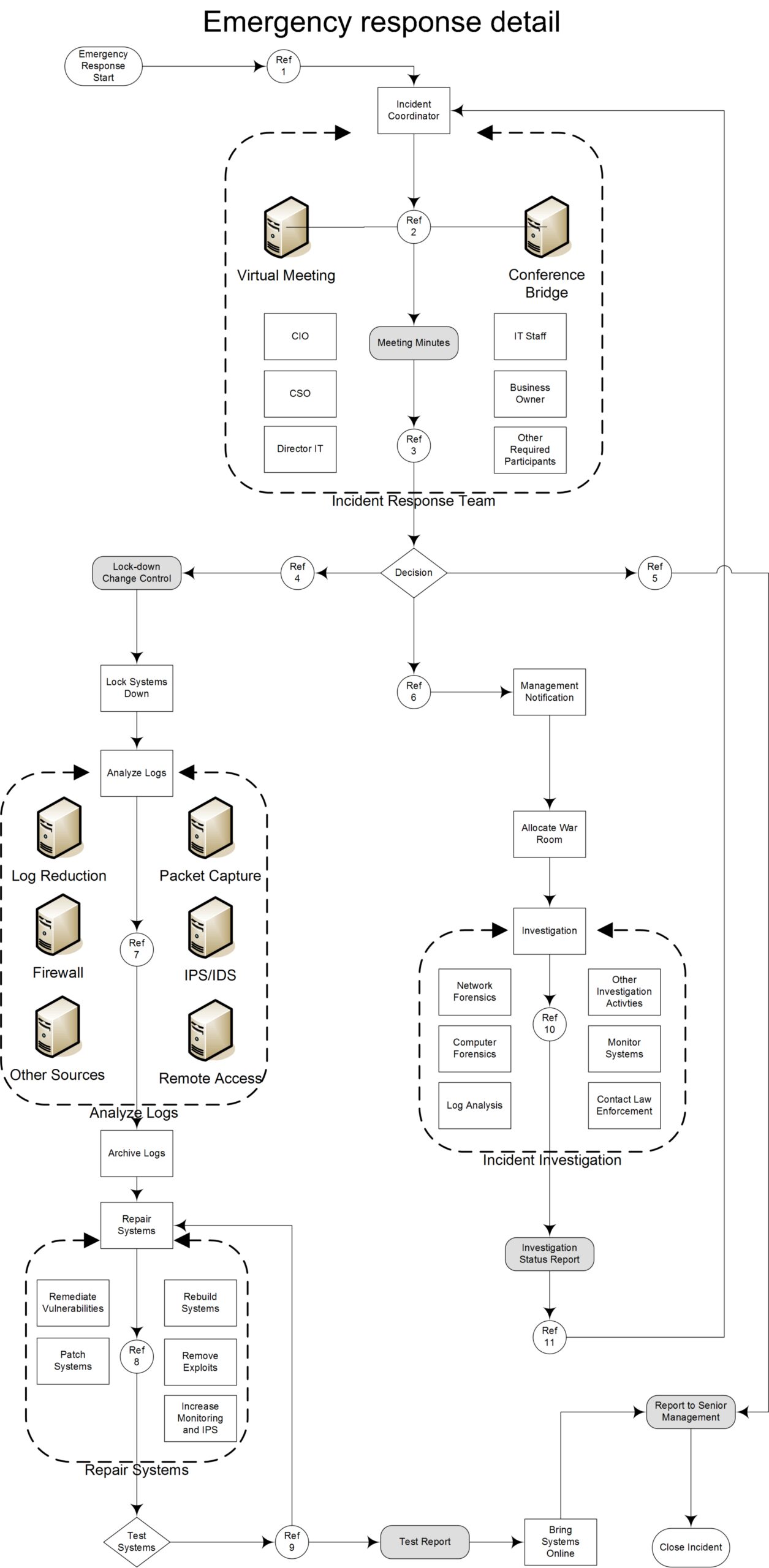
Vulnerability management sounds conceptually straightforward – find vulnerabilities, fix them – but organizations consistently struggle to build effective programs at real scale, drowning in a sheer volume of scanner findings without a clear, defensible process for prioritizing which ones matter most and deserve real, prompt attention.
Why Raw Vulnerability Counts Are Misleading
A typical vulnerability scan across even a moderately sized organization can easily surface thousands of findings, and treating every single one as equally urgent is simply not realistic – security teams do not have unlimited capacity, and treating a thousand findings as equally critical effectively means treating none of them as critical in any practically meaningful sense.
Effective vulnerability management requires deliberate prioritization based on real, actual exploitability and real business impact, not purely on a vulnerability’s abstract severity score in isolation. A critical-rated vulnerability on an isolated, non-internet-facing system with no realistic path to actual exploitation deserves meaningfully less urgent priority than a moderate-rated vulnerability on an internet-facing system actively handling sensitive customer data.
Building Context Into Your Prioritization Process
Effective programs layer additional real context on top of raw scanner severity scores – is the vulnerability known to be actively exploited in the wild right now, does the affected system handle sensitive data, is the system internet-facing or safely isolated behind other layers of real defense.
This contextual layering requires knowing your own environment well – which systems handle sensitive data, which are internet-facing, which have compensating controls already meaningfully reducing real exploitability even if the underlying vulnerability itself remains technically unpatched. Organizations without this environmental context end up prioritizing purely by abstract scanner severity score, which frequently and misses real actual risk.
Setting Realistic Remediation Timeframes
Different vulnerability severity levels warrant different remediation timeframes, and these should be explicit, clearly documented policy rather than an ad hoc, case-by-case decision made informally each time a new finding surfaces. Critical vulnerabilities on high-risk systems might warrant a real 24 to 48 hour remediation target; lower-priority findings on lower-risk systems can reasonably wait for a regular, scheduled patching cycle instead.
These timeframes need to be realistic given your organization’s actual patching capacity – setting an aggressive policy nobody can meet in practice is arguably worse than a more conservative, realistic policy the organization can consistently achieve, since an unmet policy erodes organizational trust in the vulnerability management process itself over time.
Tracking Remediation, Not Just Detection
Many vulnerability management programs are strong at detection but weak at tracking remediation through to real, complete closure. A finding identified but never verified as fixed provides essentially no real security benefit – the vulnerability remains exploitable regardless of whether it has been formally, nominally “identified” in some tracking system.
Effective programs track findings through to verified closure, with real re-scanning to actively confirm remediation occurred rather than simply trusting an internal status update claiming a fix was applied without independent verification. This closed-loop tracking is what distinguishes an effective vulnerability management program from one that merely, nominally exists on paper without real substance behind it.
Communicating Risk to Leadership Effectively
Vulnerability management programs need real executive support to secure adequate resources, and that support depends on effective communication of actual risk in terms leadership can meaningfully understand and act on – not raw vulnerability counts, but real business risk framed in terms of potential impact, likelihood, and the concrete resources required to adequately address it.
Security teams that communicate purely in technical vulnerability jargon, without translating that into real business risk terms, consistently struggle to secure the resources needed to run an effective vulnerability management program at the scale and pace their real environment requires.
Using Real Exploitability Data, Not Just CVSS Score
CVSS measures theoretical severity, not the likelihood a vulnerability is actually being exploited right now, and relying on CVSS alone routinely misprioritizes real risk as a result. The Exploit Prediction Scoring System, EPSS, and CISA’s Known Exploited Vulnerabilities catalog both add a different, more operationally useful signal: is this specific vulnerability something attackers are actively using in the wild today, regardless of how theoretically severe its CVSS score happens to be. A moderate CVSS 6.5 finding that appears on the KEV list deserves faster action than an unexploited CVSS 9.8 sitting in a system with no direct exposure, and mature vulnerability management programs blend these signals rather than defaulting to CVSS as the sole ranking input.
The SLA Trap: When Meeting the Deadline Beats Actually Fixing the Problem
Once a program sets hard remediation SLAs, a subtle failure mode tends to appear: teams start optimizing to close the ticket within the deadline rather than to actually eliminate the risk. A common version of this is applying a narrow, minimal patch that resolves the specific CVE a scanner is checking for, without addressing the broader underlying issue – an outdated, unsupported library version, say – that will produce a fresh finding again at the next scan cycle. Measuring a vulnerability management program purely by SLA compliance percentage can end up rewarding exactly this kind of shallow, repeat-generating fix, so it is worth also tracking recurrence – how often the same underlying root cause reappears as a new finding after being marked resolved.
Where Ownership Breaks Down
A vulnerability management program can have excellent tooling and still fail if nobody outside the security team is actually accountable for fixing what gets found. The most reliable pattern is assigning remediation ownership to the engineering team that owns the affected system, with security acting as the tracking and escalation function rather than the team expected to write every patch itself. Programs that route every finding through a central security queue for fixing, rather than pushing accountability out to the system owners, consistently bottleneck on security team capacity regardless of how good their prioritization process otherwise is.